A Brief History of Kyrgyzstan
The history of the Kyrgyz people spans more than 3,000 years. Early mentions of the ethnonym “Kyrgyz” appear in ancient Chinese records dating back to the 2nd century BCE. Over time, the ancestors of modern Kyrgyz were part of a wide network of nomadic tribes that roamed Central Asia, southern Siberia, northern China, and parts of Mongolia.
In the early centuries BCE, the Kyrgyz were part of large tribal confederations like the Saka, Usun, and later Xiongnu (Huns). By the 6th to 9th centuries CE, the Kyrgyz were involved in various Turkic empires. The most prominent early Kyrgyz state was the Yenisei Kyrgyz Khaganate, centered near the upper Yenisei River in southern Siberia. In 840 CE, the Yenisei Kyrgyz defeated the powerful Uyghur Khaganate and gained significant influence across Central Asia.
However, the Kyrgyz were later overtaken by stronger empires and shifted southward. Between the 11th and 15th centuries, groups of Kyrgyz gradually migrated to the territory of modern Kyrgyzstan, especially into the Tien Shan mountains, due to pressure from the Mongol Empire and other regional forces.
From the 17th to 19th centuries, the Kyrgyz lands were contested between neighboring powers, including the Dzungar Khanate, the Qing Dynasty, and the Kokand Khanate. Facing economic hardship and political instability under Kokand rule, northern Kyrgyz tribes voluntarily allied with the Russian Empire in the 1850s. By the 1870s, the southern Kyrgyz territories were also incorporated into the Russian Empire.
After the Russian Revolution of 1917, Kyrgyzstan went through a period of Soviet restructuring. It became the Kara-Kyrgyz Autonomous Oblast in 1924, then the Kyrgyz Soviet Socialist Republic in 1936 as part of the USSR. During Soviet rule, the region saw rapid industrialization, modernization, and cultural changes — but also experienced repression, collectivization, and loss of traditional practices.
In 1991, with the collapse of the Soviet Union, Kyrgyzstan declared its independence, becoming a sovereign state.
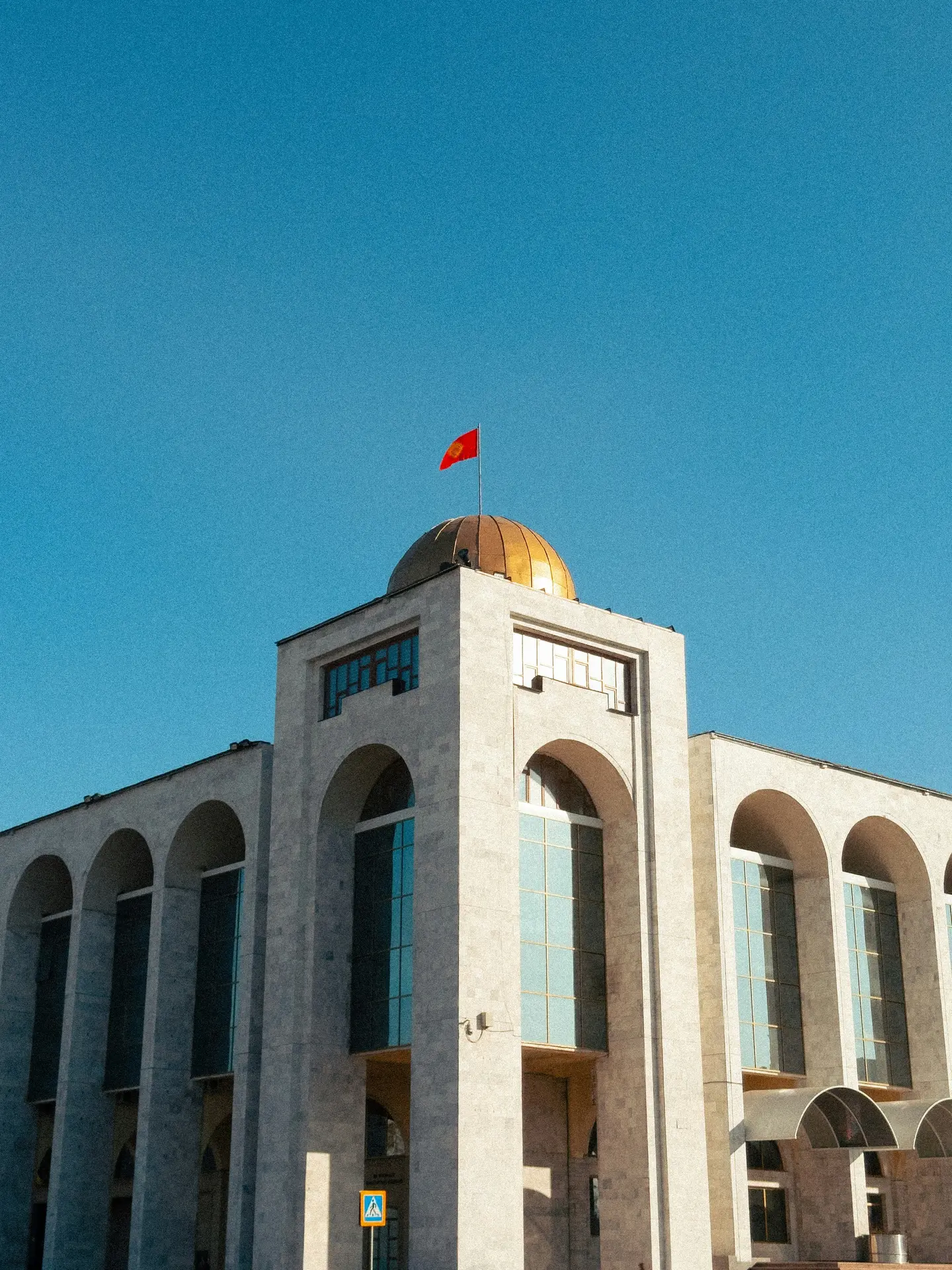
Today, Kyrgyzstan is a republic with a rich mix of Turkic nomadic heritage and Soviet legacy. The majority of the population is Muslim, with Islam being the dominant religion, followed by Russian Orthodox Christianity, and smaller communities practicing other faiths.
The history of Kyrgyzstan is one of movement, adaptation, and resilience — shaped by mountains, empires, and centuries of cultural exchange across the Silk Road.
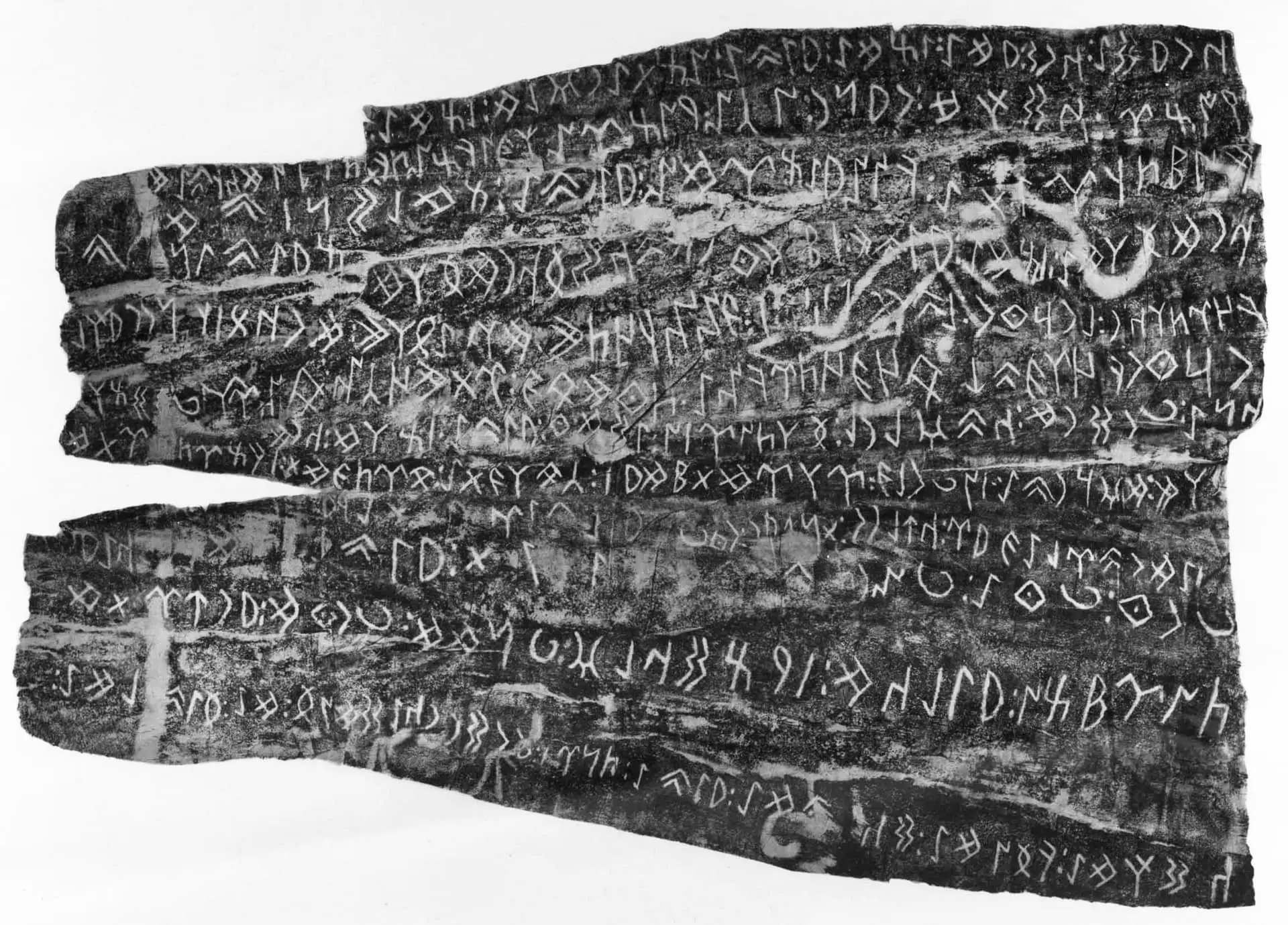
Yenisei runic inscriptions (6th–9th centuries) — ancient Kyrgyz heritage
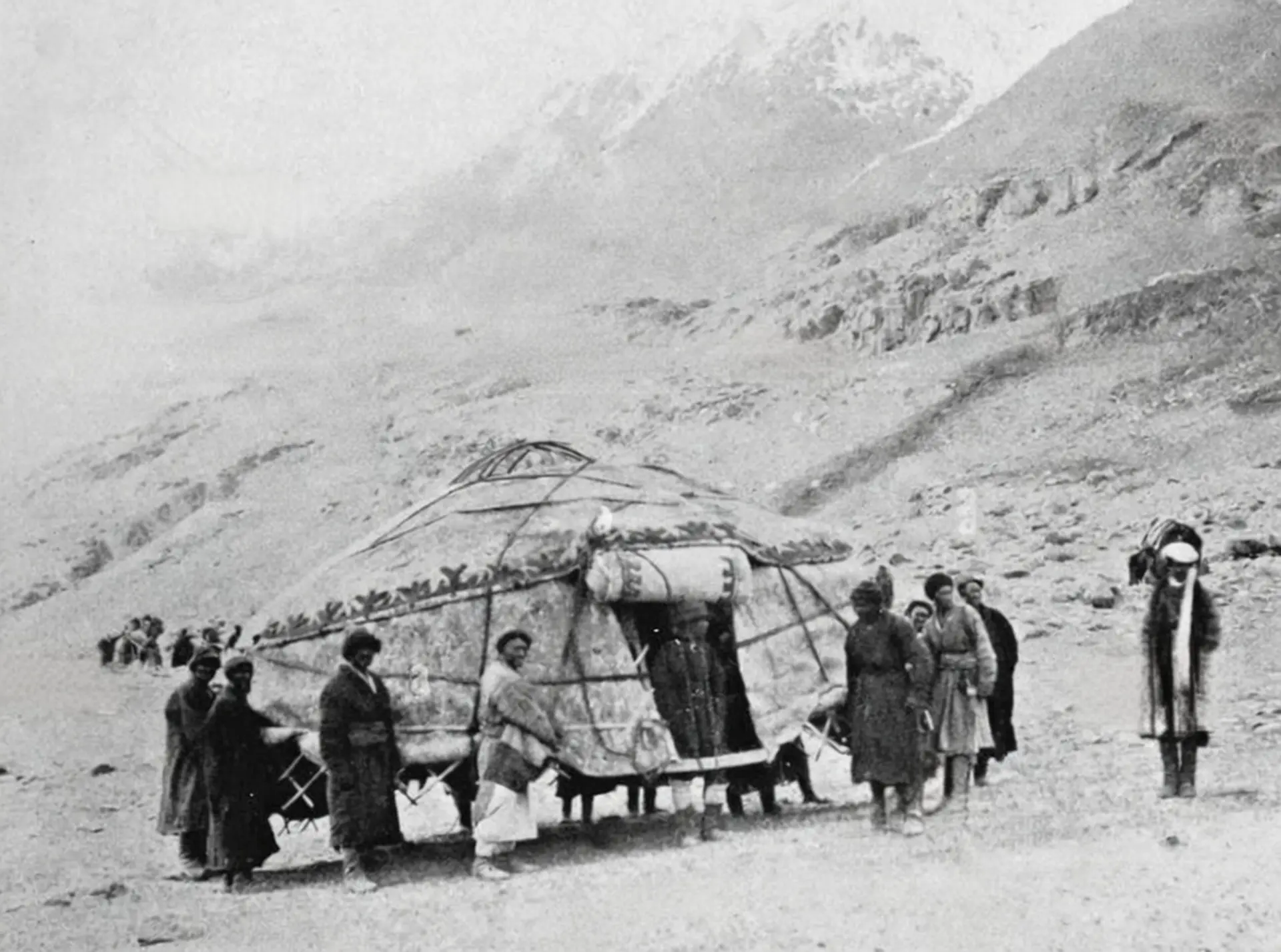
Kyrgyz nomads with yurt in the Tian Shan, early 20th century
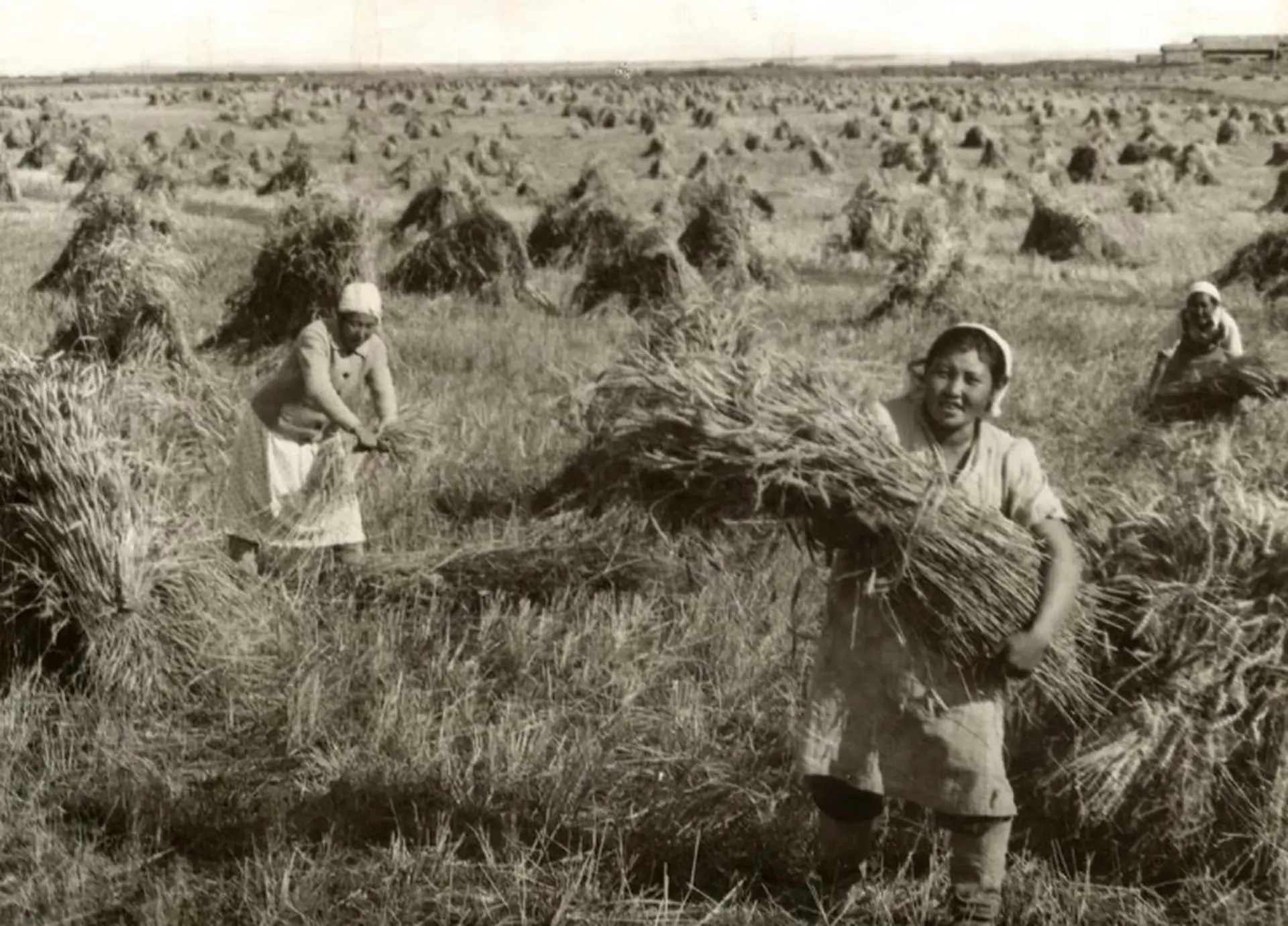
Hay harvest in a Soviet kolkhoz, Kyrgyz SSR, mid-20th century